We build the apps we want to use.

Small tools for iPhone and iPad that respect your time, your money and your judgement — and then get out of the way.
- Pay per use
- No subscription
- No ads
- No account
- No tracking
Tools we kept wishing existed
Every one starts with something we wanted, went looking for, and couldn’t find in a form we were willing to live with: a tool you can open, use for a minute and put down, that asks nothing to get started and keeps what you put into it to itself.
Wanting that over and over turned into four rules. We hold everything we make to them.
Your time
Software should ask for as little of your day as it can. Open it, use it, close it — nothing we make will nag you to come back.
Your money
Anything we can give away, we give away. You pay only for parts that cost us each time you use them — never for months of having something installed.
Your judgement
We’d rather explain than assert. Every figure names where it came from, so you can decide what to make of it.
Your anonymity
It is in our name, so we had better mean it. Our apps have no accounts, keep no record of who you are, and carry no analytics or advertising code — we would rather not know who you are, because data nobody holds is data nobody can lose.
Pay for what you use, not for how long you’ve had it
A few things cost us money every time somebody uses them, and those run on credits. Everything else is free, and stays free.
- 1
Start for free
Download it and the whole app is there, unlocked. Nothing held back to sell you later.
- 2
Try the paid parts on us
Anything on credits comes with a handful of free uses. The cost is always shown before you tap.
- 3
Top up only if it’s worth it
Credits wait until you use them. Put the app down for three months and it costs you nothing.
Available soon on the App Store
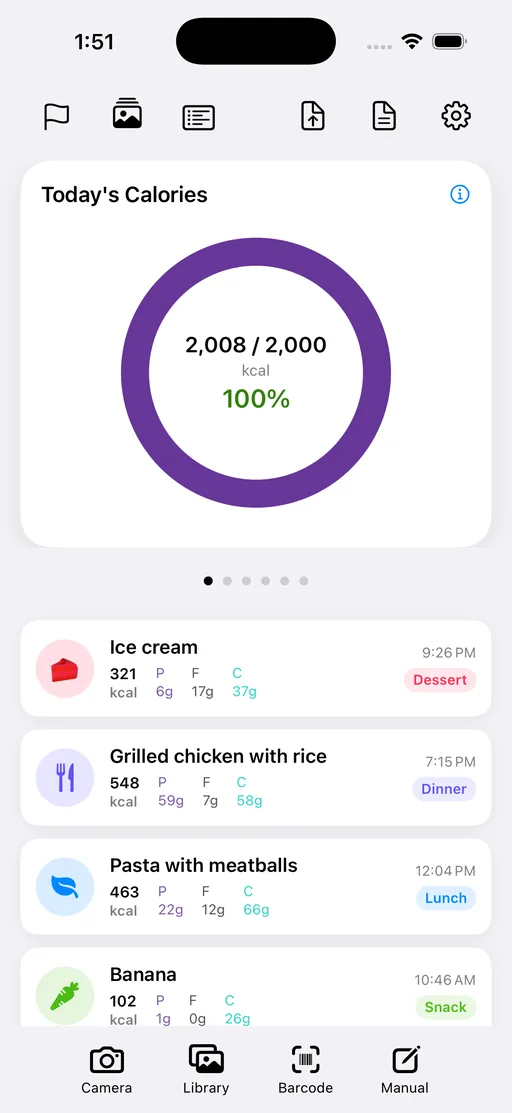
One app, out first: AInonymity Calorie Counter
Calories and macros, from a photo of your plate.
More are on the way. We’d rather show you one finished thing than a page of promises.
We’ll tell you what we don’t know.
Software is very good at sounding certain. A figure to one decimal place, a tidy summary, a confident little label — and almost nobody asks how it got there.
We’d rather say. When one of our apps has read something, it says it read it. When it worked something out, it says that — and where the answer depends on someone’s published opinion, it names whose. When we don’t know, that’s what you’ll be told, even when a more confident answer would have sold better.